冬季轮胎:湿滑路面抓地力关键
在复杂的冬季路况中,轮胎性能直接关系到行车安全。冬季轮胎专为在低温、冰雪、湿滑等恶劣环境下提供稳定的抓地力和操控性而设计。湿滑性能作为一项关键指标,对每位驾驶者的安全至关重要。
尤其在冬季气温波动较大的地区,道路常经历融雪、结冰与再融化的循环。湿滑路况的出现频率甚至超过纯粹的冰雪路面,因此,冬季轮胎在湿滑路面上的性能成为衡量其品质的核心标准。
冬季的首要考量因素
The primary consideration in winter 轮胎设计指的是橡胶材料在低温下物理性能的变化。常规的夏季或全季轮胎在温度低于7°C时会逐渐变硬并失去弹性,从而显著降低与路面的摩擦力。然而,冬季轮胎采用了特殊的低温柔韧橡胶配方,即使在-30°C的严寒中也能保持极佳的柔韧性。这确保了它们能够紧贴路面,并在湿滑路面上产生有效的摩擦力。

然而,仅仅优化橡胶配方是远远不够的。湿滑路面上的核心挑战在于“水膜”的存在。当车辆行驶时,轮胎与路面之间会形成一层薄薄的水膜。若这层水膜未能及时清除,轮胎便失去了与路面的直接接触,从而引发“水滑”现象,导致车辆失控。
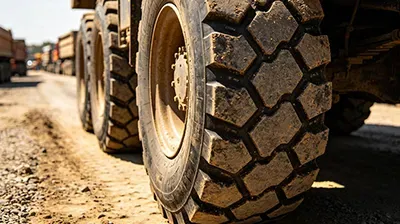
因此,冬季轮胎的花纹设计围绕“排水”这一核心目标展开。通过加宽的纵向沟槽、密集的横向肋条以及交错排列的细沟槽相结合,形成了高效的排水通道。这样设计确保了在湿滑路面上行驶时,轮胎与路面间的积水能够迅速排出,从而最大程度地减少水膜对抓地力的影响。
然而,冬季轮胎面临的最大技术挑战在于,行业尚未找到一种能在冰面和湿滑路面上均提供最佳性能的完美解决方案。从物理学角度来看,冰面与湿滑路面对轮胎的要求存在根本性矛盾:冰面的摩擦系数极低,要求轮胎通过“咬合”或“吸附”来产生抓地力。因此,冬季轮胎通常设计有更多微小的横向沟槽或刀槽花纹。这些花纹能像钉子一样嵌入冰面,同时利用橡胶与冰面之间的分子吸引力来增强附着力。
然而,在湿滑路面上,过多的细密纹路会缩小排水通道,阻碍积水有效排走。因此,更宽的纵向沟槽对于迅速疏导积水显得尤为重要。这一设计难题迫使现有冬季轮胎不得不在冰雪与湿滑路面性能之间寻求平衡,而非二者皆优。
更复杂的是,实际冬季路况通常比实验室模拟的情况更为多变。例如,在温度接近0°C的“临界状态”下,路面可能同时存在积雪、薄冰和水。轮胎需在瞬间切换不同的路面适应模式,这对轮胎的花纹设计、橡胶配方及结构强度提出了更高要求。
However, the biggest technical challenge facing winter tires is that the industry has yet to find a perfect solution that delivers optimal performance on both icy and wet roads. From a physical perspective, the demands placed on tires on icy and wet roads present a fundamental contradiction: Ice has an extremely low coefficient of friction, requiring tires to generate grip through "bite" or "adsorption." Therefore, winter tires typically feature more tiny transverse grooves or sipes. These patterns dig into the ice like nails, while also utilizing the molecular attraction between the rubber and the ice to enhance adhesion.
However, on wet roads, too many tiny grooves narrow the drainage channels, hindering the efficient removal of accumulated water. Wider longitudinal grooves are therefore even more necessary to quickly channel accumulated water. This design dilemma forces existing winter tires to find a balance between icy and wet performance, rather than achieving optimal performance in both.
Further complicating matters, actual winter road conditions are often more variable than those simulated in laboratories. For example, in the "critical state" of temperatures near 0°C, the road surface may contain snow, thin ice, and water simultaneously. Tires must instantly switch between different road surface adaptation modes, placing higher demands on the tire's tread design, rubber compound, and structural strength.

目前,部分高端冬季轮胎采用了“可变花纹”技术,通过胎面块的弹性形变来适应不同路面的接触面积;或是采用“双配方橡胶”技术,在胎面的不同区域使用硬度各异的橡胶材料,以应对冰雪和湿滑路面。然而,这些技术要么因成本高昂难以普及,要么效果有限未能彻底解决矛盾。
根据行业趋势,克服冬季轮胎在冰雪和湿滑路面上性能矛盾的关键,可能在于材料科学的创新与智能技术的应用。一方面,新型弹性材料的研发有望突破传统橡胶的性能局限。例如,通过在橡胶中添加纳米碳纤维或特殊高分子化合物,材料能在低温下保持柔韧性,同时借助其表面微观结构咬合冰面并疏导水分。
另一方面,智能轮胎的研发也在稳步推进。未来的冬季轮胎可能会集成传感器与自适应调节装置,实时监测路况,并据此调整胎面花纹或橡胶硬度,以动态适应多变的道路条件。
Based on industry trends, the key to overcoming the performance contradiction between winter tires on icy and wet roads may lie in innovations in materials science and the application of intelligent technologies. On the one hand, the development of new elastic materials has the potential to overcome the performance limitations of traditional rubber. For example, by adding nano-carbon fibers or specialized polymer compounds to rubber, the material can maintain flexibility at low temperatures while simultaneously engaging ice and channeling water through its surface microstructure.
On the other hand, the development of intelligent tires is also steadily advancing. Future winter tires may incorporate sensors and adaptive adjustment devices to monitor road conditions in real time and adjust the tread pattern or rubber hardness to dynamically adapt to varying road conditions.

然而,无论技术如何进步,理解湿滑路面性能在冬季轮胎中的重要性,并做出正确选择,对冬季行车安全依然至关重要。在选择冬季轮胎时,不要只关注冰面性能而忽视湿滑路况。应根据您的驾驶环境挑选合适的轮胎(例如,在冰雪覆盖的北方地区侧重冰面性能,在湿润的南方地区则注重湿滑路面表现)。
此外,定期检查轮胎花纹深度和磨损情况。当花纹深度低于3毫米时,冬季轮胎的排水和抓地性能会显著下降,需及时更换。最终,在复杂的冬季路况中,一款均衡可靠的冬季轮胎是安全的第一道防线。
Also, regularly check tire tread depth and wear. When the tread depth falls below 3mm, the drainage and grip performance of winter tires decrease significantly, requiring prompt replacement. Ultimately, in the complex winter road conditions, a balanced and reliable winter tire is the first line of defense for safety.