轮胎胎面设计与车辆控制
车辆操控性是行车安全与驾驶体验的核心指标,涵盖加速响应、制动距离、转向精准度以及过弯稳定性等方面。胎面花纹作为轮胎与路面之间的“桥梁”,其设计细节直接决定了轮胎传递动力、承受侧向力以及应对复杂路况的能力。具体影响可通过以下五个核心设计维度进行探讨。
图案类型:处理对称与非对称设计之间的差异
传统的对称花纹轮胎由于左右两侧花纹结构相同,在干湿路面条件下均难以实现最佳操控性能。虽然对称花纹在干燥路面上能提供均匀的接地面积,但由于缺乏针对性的刚度分布,在高速过弯时外侧花纹块容易变形,导致抓地力下降。在湿滑路面上,单一排水通道无法快速排除积聚的水分,增加了打滑的风险。
非对称胎面通过区分左右胎面的功能,实现了操控性能的精准提升。以上述轮胎为例,其外侧胎块更宽且刚性更强,专门用于应对高速过弯时的侧向力。在转弯时,外侧轮胎承受约70%的车辆重量。
更宽的胎块增大了接地面积,减少了变形,确保轮胎与地面紧密接触,防止转向不足或转向过度。内侧胎面采用更密集的沟槽和更精细的花纹设计,不仅提高了湿地排水效率,还在低速拥堵路况下制动时增强了抓地力反馈。这使得起步和制动响应更加线性,特别适合城市道路和山路等复杂路况下的操控需求。
Asymmetric treads, by differentiating the functions of the left and right treads, achieve a precise upgrade in handling. Taking the aforementioned tire as an example, its outer tread blocks are wider and more rigid, specifically designed to handle lateral forces during high-speed cornering. When cornering, the outer tire bears approximately 70% of the vehicle's weight.
The wider tread blocks increase the contact patch, reduce deformation, and ensure a close contact between the tire and the ground, preventing understeer or oversteer. The inner tread features denser grooves and a finer pattern, which not only improves wetland drainage efficiency but also enhances grip feedback during braking in slow, congested conditions. This results in a more linear start and braking response, making it particularly well-suited for the complex maneuvers of urban and mountain roads.

胎块尺寸与密度:平衡抓地力与操控响应性
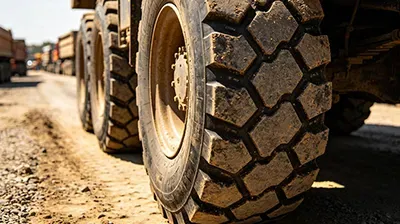
胎块的尺寸和密度直接影响轮胎的“接地刚度”——这是操控性能的一个关键参数。大块状设计(如上所述)通过减少胎块之间的间隙,增加了单位面积上的接地压力。
在干燥路面加速时,较大的胎块能更稳定地传递发动机扭矩,防止因胎块打滑导致动力损失,从而实现更灵敏的加速。在紧急制动时,大胎块的高刚性可减少形变,缩短制动距离。例如,在100公里/小时速度下进行紧急制动时,
During dry acceleration, large blocks more stably transmit engine torque, preventing power loss due to block slippage and delivering a more responsive acceleration. During sudden braking, the high rigidity of the large blocks reduces deformation and shortens braking distance. For example, during an emergency braking event at 100 km/h, a 轮胎大块花纹轮胎的制动距离比细密花纹轮胎短2-3米。
然而,较大的块状花纹并不一定更好:过宽的块状花纹和过低的密度可能导致接地面积分布不均,在低速转弯时产生“顿挫”感,影响操控精度。
因此,高品质的胎面设计通过差异化的密度布局进行优化——在胎面中心采用较小的块状设计以提升转向灵敏性,而在肩部使用较大的块状设计以增强过弯稳定性。这种设计形成了“中心灵活、肩部稳定”的操控梯度,满足了高速和低速下的操控需求。
Therefore, high-quality tread designs are optimized through differentiated density layouts—using smaller blocks in the center of the tread to enhance steering agility, while larger blocks on the shoulders enhance cornering stability. This creates a "flexible center, stable shoulders" handling gradient, addressing both high- and low-speed handling requirements.

沟槽设计:排水效率决定湿地操控安全性
湿地操控的核心是“抗滑水”,而沟槽设计至关重要。当车辆在雨中行驶时,如果轮胎与路面之间积聚的水不能迅速排出,就会形成超过1毫米厚的水膜,导致轮胎失去抓地力,这种现象称为“滑水”,并会造成车辆完全失控。
有效的沟槽设计必须满足“快速排水+稳定抓地”的双重需求。首先,沟槽深度与宽度的精确匹配至关重要。深度不足容易导致泥沙堵塞,降低排水性能;而过宽则会削弱胎块刚性,在干燥路面操控时易发生变形。
上述轮胎采用“深度与宽度比为1:2”的沟槽设计,在确保胎块刚性的同时,每小时每厘米可排出约500毫升的水。在暴雨条件下,水膜厚度可保持在0.3毫米以下,显著降低打滑风险。
其次,仿生设计的沟槽(如模仿猫爪纹路的“Y形”或“Z形”沟槽)形成了多通道排水结构,防止水分在胎面某些区域积聚。这确保了即使在积水路段变道时,也能保持稳定的抓地力和转向控制。
The aforementioned tire utilizes a groove design with a "depth-to-width ratio of 1:2." This ensures tread block rigidity while discharging approximately 500ml of water per centimeter per hour. In heavy rain, the water film thickness can be kept to less than 0.3mm, significantly reducing the risk of hydroplaning.
Secondly, the biomimetic layout of the grooves (such as "Y-shaped" or "Z-shaped" grooves that mimic the pattern of a cat's paw) creates multi-channel water diversion, preventing water from accumulating in certain areas of the tread. This ensures stable grip and steering control even when changing lanes in flooded areas.

音高优化:降低共振并提高操控稳定性
尽管节距(胎块的数量和尺寸组合)通常与“静音”相关,但它对操控稳定性也有着至关重要的影响。传统轮胎的单一边距设计(例如所有胎块尺寸相同)在行驶过程中可能产生周期性共振。
当轮胎高速旋转时,胎面块以相同频率撞击地面,可能导致轮胎“跳动”,尤其是在80至120公里/小时的高速范围内。这种共振可能传递到方向盘,导致转向“发抖”,影响操控精度。
通过差异化胎块尺寸排列(如前述“三种尺寸+随机分布”方式),节距优化技术打破了共振频率的均匀性。当不同尺寸的胎块接触地面时,冲击噪声被分散到不同的频段,同时防止了轮胎的周期性振动。
该设计直接提升了操控性能:高速巡航时方向盘振动降低40%以上,减少了转向“虚位”,使驾驶员能更清晰地感知路面反馈。在连续过弯时,轮胎接地压力更加均匀,消除了因共振引起的抓地力波动,实现更平顺的过弯表现,特别适合在长途高速公路和蜿蜒山路行驶。
肩部胎面结构:侧向支撑决定过弯操控的极限
车辆过弯时的操控极限在很大程度上取决于胎肩花纹的设计。作为过弯时的主要受力区域,胎肩承受着巨大的侧向力。若结构薄弱,容易导致胎块卷边和变形,从而造成抓地力突然下降。
上述轮胎通过加宽的外侧肩部和连续的肋条设计,显著改善了转弯操控性能。加宽的肩部在转弯时使接地面积增加15%至20%,有效扩大了轮胎的接地面积,并降低了单位面积上的侧向压力。
连续的肋条结构消除了传统独立胎块之间的过大间隙,形成了“一体化”的支撑结构。即使在时速120公里的高速过弯时,肩部胎块也无明显变形。
实际测试表明,采用这种设计的轮胎在50米转弯半径的弯道上,最大过弯速度比传统肩部设计高出8-10公里/小时。此外,转弯时车身侧倾反馈更加平顺,消除了驾驶员频繁调整转向的需求,显著提升了操控信心。
此外,倒角胎肩花纹设计还能优化操控性能:倒角的胎块边缘可减少与路面的摩擦,使过弯时的回正力更加线性,避免了传统直角胎块带来的“沉重”转向感。这使得操控更轻盈、精准,尤其在低速行驶或连续变道时表现更为出色。
The vehicle's handling limit during cornering is largely determined by the design of the shoulder tread. As the primary force-bearing area during cornering, the shoulder bears immense lateral forces. A weak structure can easily cause tread block curling and deformation, leading to a sudden drop in grip.
The aforementioned tire significantly improves cornering handling through its widened outer shoulder and continuous rib design. The widened shoulder increases the contact patch by 15%-20% during cornering, effectively widening the tire's contact patch and reducing lateral pressure per unit area.
The continuous rib structure eliminates the excessive gaps between traditional individual tread blocks, creating a "monolithic" support structure. Even in high-speed cornering at 120 km/h, the shoulder blocks exhibit no noticeable deformation.
Actual testing shows that tires with this design achieve a maximum cornering speed of 8-10 km/h higher than conventional shoulder designs on a 50-meter radius curve. Furthermore, body roll feedback during cornering is smoother, eliminating the driver's need for frequent steerage adjustments and significantly enhancing handling confidence.
In addition, the chamfered shoulder tread pattern also optimizes handling: the chamfered tread block edges reduce friction with the road, making the return force during cornering more linear and avoiding the "heavy" steering feel associated with traditional right-angled tread blocks. This makes handling lighter and more precise, especially when maneuvering at low speeds or changing lanes continuously.