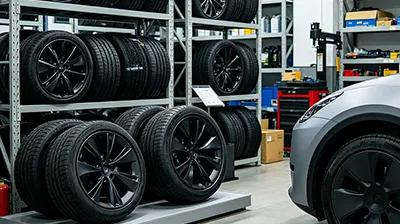
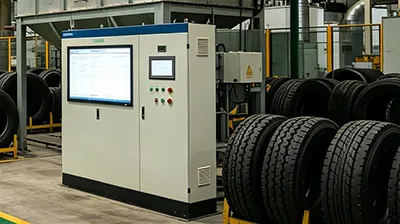
轮胎原材料价格趋势
据一家新闻社截至11月6日提供的数据,轮胎制造所需的四种核心原材料呈现出“涨中趋稳”的态势:
天然橡胶:山东地区泰国20号混合标准胶现货价格报每吨14,580元,较前一日上涨1.39%。尽管较年初七年高点17,855元/吨已回落18.3%,但与2023年第一季度相比,累计涨幅仍超过55%。

合成橡胶:
在华北地区,丁苯橡胶(齐鲁1502E)和顺丁橡胶(齐鲁BR9000)分别报价为10,700元/吨和10,300元/吨,环比微幅上涨0.94%和0.98%,但自年初以来两者均下跌超过16%。碳黑:
山东地区N660炭黑价格持稳于5600元/吨,相较于卡博特10月份的调价,上涨了600-800元/吨,年内跌幅收窄至16.05%。
Carbon Black: The price of N660 carbon black in Shandong remained stable at 5600 yuan/ton, up 600-800 yuan/ton from Cabot's price adjustment in October, with the year-to-date decline narrowing to 16.05%.

钢帘线:
上游普通钢线材价格环比下降2.12%,但辅料成本的累计上涨仍使每条12R22.5轮胎的原材料成本增加约55元。全钢胎原材料成本指数当日为11860.41,环比上升0.82%,显示短期成本面临上行压力。
价格驱动因素:供需、政策与资本的三重共振
1. 供给侧:气候与结构的双重制约
天然橡胶供应面临硬性短缺:东南亚产区在8月遭遇雨季与极端高温,阻碍了割胶作业,导致高品质胶源急剧减少。加之泰国南部橡胶树老化,限制了新产能的释放。在国内,云南割胶季将于12月初结束。尽管国内产量仅占全球的6%,但市场情绪正加剧供应紧张的预期。
炭黑行业受到环保政策收紧的影响,部分企业暂时停产,行业产能利用率仅为50%-80%。加之原料煤焦油价格波动,共同支撑了炭黑价格的高位运行。
2. 需求侧:韧性并存与弱点共存
全钢胎需求得益于国内重卡市场的复苏及“一带一路”倡议带动的出口增长。1-7月轮胎产量同比微增0.7%,企业库存相应下降,显示终端消化良好。然而,伴随北方地区进入淡季,市场出货转弱,企业主要以消化库存为主。半钢胎库存仍高达45.05天,需求疲软制约了成本传导效率。
3. 资本与政策:流动性与产业升级共驱趋势
在全球降息周期中,橡胶期货作为避险资产,加剧了价格波动。与此同时,子午线轮胎技术的普及减少了废旧丁基内胎的回收量,导致丁基再生橡胶供应中断,今年丁基内胎价格因此上涨15%-20%,在这一小众市场形成了价格奇点。
2. Demand Side: Resilience and Weakness Coexist
Demand for all-steel tires benefited from the recovery of the domestic heavy truck market and export growth driven by the "Belt and Road" initiative. From January to July, tire production increased slightly by 0.7% year-on-year, with company inventories declining accordingly, indicating good end-user absorption. However, with the off-season in northern China, market shipments have weakened, and companies are mainly focused on digesting existing inventory. Semi-steel tire inventory remains as high as 45.05 days, with weak demand constraining cost transmission efficiency.
3. Capital and Policy: Liquidity and Industrial Upgrading Fuel the Trend
In the global interest rate cut cycle, rubber futures have become a safe-haven asset, amplifying price volatility. Meanwhile, the widespread adoption of radial tire technology has led to a decrease in the recycling of waste butyl inner tubes, resulting in a supply disruption of butyl reclaimed rubber and driving up the price of butyl inner tubes by 15%-20% this year, creating a price singularity in this niche market.

成本传导效应:产业价格上涨与执行障碍之间的博弈
原材料在轮胎生产成本中占比超过70%,成本压力已引发全行业的价格调整:11月7日,玲珑轮胎宣布自12月起对乘用车轮胎及载重轮胎产品提价2%-3%,这是该公司今年内的第三次调价。万里、邓禄普等近60家企业紧随其后,涨幅集中在2%-4%之间。
然而,这些涨价措施的实施面临实际障碍:北方市场正步入淡季,经销商对补货持谨慎态度,部分企业被迫撤回1-2%的促销政策而非直接提价,显示出终端用户对价格敏感度的上升。
成本传导呈现出“大企业强势传导,中小企业弱势承受”的特点,部分中小企业因技术升级与原材料采购能力不足而被迫退出市场。短期内,11月中旬可能出现小幅补库高峰,但天然橡胶与合成橡胶价格自年初以来已大幅下跌。
原材料每单位成本为
Cost transmission exhibits a characteristic of "strong transmission by large enterprises and weak absorption by small and medium-sized enterprises," with some small and medium-sized enterprises forced to exit the market due to insufficient technological upgrades and raw material procurement capabilities. In the short term, a small restocking peak may occur in mid-November, but the prices of natural and synthetic rubber have already fallen significantly since the beginning of the year.
The cost of raw materials per 轮胎第四季度环比下降了0.69%,预计成本压力将逐步缓解。隆众资讯预测,短期内企业将重点放在稳定价格上,只有在需求复苏后,价格才会上涨。
从中长期来看,因老龄化导致的供给弹性不足
In the medium to long term, the lack of supply elasticity due to aging 橡胶树木将支撑价格中枢。关键需关注的因素包括东南亚种植区的更新情况、国内重型卡车置换政策的持续性以及欧盟EUDR法规对出口的影响。跨商品套利机会正在浮现,且RU与NR合约间的价差可能在明年第一季度季节性收窄。