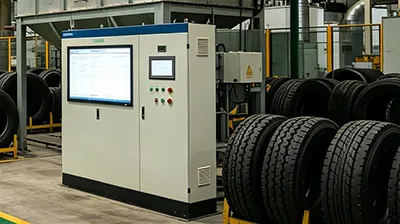
TBR轮胎:商用车核心
卡车和客车子午线轮胎(TBR)在商用车辆运输系统中起着至关重要的作用。它们不仅是车辆与路面之间唯一的接触点,也是决定运输效率、安全性和运营成本的关键因素。
与乘用车轮胎相比,载重轮胎因承载大、行驶里程长、使用环境复杂,对结构设计、材料选择和性能标准提出了更严格的要求,其技术发展与商用车行业的发展密切相关。
从结构角度来看,TBR轮胎的核心优势在于其子午线设计。这种设计采用核心帘线结构,帘线以90度垂直于轮胎周向排列,类似于地球的经线。该设计可将车辆的重量和冲击力更均匀地分布在整个轮胎上。
From a structural perspective, the core advantage of TBR tires lies in their radial design. This design utilizes a core tire cord structure, with the cords arranged perpendicularly at 90 degrees to the tire's circumference, mimicking the Earth's meridians. This design distributes the vehicle's weight and impact forces more evenly throughout the tire.

此外,TBR轮胎的侧壁采用更坚固的橡胶材料和加强结构,有效减少侧壁变形。即使满载时也能保持稳定的胎面接地面积,从而降低因局部压力过大而导致的不均匀磨损。
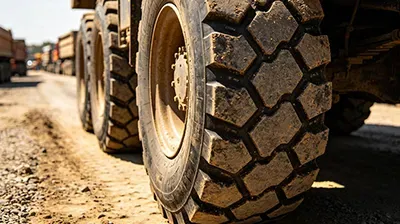
此外,胎面花纹设计具有很强的针对性。针对长途干线运输、城市公交和矿山作业等不同使用场景,TBR轮胎采用不同的胎面深度、沟槽宽度和排列方式。例如,用于长途运输的TBR轮胎注重低滚动阻力和长使用寿命,通常采用连续条形花纹设计;而专为矿山作业设计的TBR轮胎则强调抗切割和抗刺扎性能,具有更多的块状凸起和更厚的胎面胶层。
待定
Furthermore, the tread pattern design is highly targeted. TBR tires feature varying tread depth, groove width, and arrangement for different scenarios, such as long-distance trunk haulage, urban buses, and mining operations. For example, TBR tires for long-distance haulage prioritize low rolling resistance and long life, often featuring a continuous rib design. TBR tires designed specifically for mining, on the other hand, emphasize cut and puncture resistance, featuring increased block-shaped protrusions and a thicker tread rubber layer.
TBR 轮胎在性能方面,子午线轮胎相比传统斜交轮胎有显著提升。首先是其承载能力,子午线结构大幅提高了帘线的承重效率。同尺寸的TBR轮胎比斜交轮胎可多承载20%至30%的重量。这对于经常满载甚至超载运输的卡车提高运输效率至关重要。
其次,耐磨性是关键考虑因素。高品质的全钢子午线轮胎采用高耐磨性的天然与合成橡胶复合材料,并结合优化的胎面接地压力分布,使用寿命可达30万公里以上,部分高端产品甚至超过50万公里,显著降低了商用车的轮胎更换频率和运营成本。
此外,安全性是TBR轮胎的核心优势。其稳定的侧壁结构和均匀的胎面接触能有效提升制动性能和操控稳定性。在雨天或湿滑路况下,宽而深的排水沟槽可迅速排出胎面与地面之间的积水,降低打滑风险,确保长途运输和城市公交的安全运行。
随着商用车行业向轻量化、智能化和绿色化轮胎转型,TBR轮胎技术也呈现出新的发展趋势。
一方面,轻量化材料的应用已成为关键重点。例如,采用高强度钢丝帘线和低滚动阻力橡胶配方,在保持承载能力的同时有效减轻了轮胎重量,从而降低了运行过程中的能耗,有助于商用车实现节能减排目标。
As the commercial vehicle industry transitions toward lightweight, intelligent, and green tires, TBR tire technology is also showing new trends.
On one hand, the use of lightweight materials has become a key focus. For example, the use of high-strength steel cord and low-rolling-resistance rubber formulas effectively reduces tire weight while maintaining load-bearing capacity, thereby reducing energy consumption during operation and helping commercial vehicles achieve energy conservation and emission reduction goals.

与此同时,智能技术正开始融入TBR轮胎市场。一些公司已推出具备胎压监测和磨损预警功能的智能TBR轮胎。这些轮胎通过内置传感器实时采集胎压、温度和磨损数据,并将信息传输至车辆控制系统或云平台。驾驶员和车队管理者可随时监控轮胎状态,主动安排维护和更换,避免因轮胎故障导致的运输延误或事故。
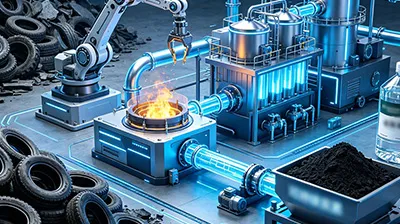
此外,翻新技术的成熟显著提高了全钢载重轮胎的资源利用率。高质量的全钢载重轮胎胎体可多次翻新,重新覆盖胎面胶后继续使用,不仅减少了资源浪费,还进一步降低了车队运营成本,符合循环经济的理念。
在应用方面,TBR轮胎市场细分持续深化,以满足不同商用车辆的需求。长途干线卡车通常配备低滚动阻力、长寿命的TBR轮胎。
这些轮胎能够承受长时间高速行驶的严苛要求,有助于卡车在数千公里的运输距离中降低燃油消耗和轮胎磨损。而城市公交车由于线路固定且频繁启停,对全钢载重子午线轮胎的制动性能和耐磨性要求更高。
为降低维护成本,专用于公交车的TBR轮胎通常采用抗不均匀磨损的设计,以延长轮胎使用寿命。在非铺装路面(如矿区和建筑工地)作业的工程卡车,则需要具备耐切割、耐刺扎和高承载能力的专用TBR轮胎。这类轮胎具有更厚的胎面胶料以及侧壁上的防刮擦条,以抵御尖锐岩石和恶劣环境造成的损伤。
当然,为了充分发挥翻新轮胎的性能,适当的维护至关重要。商用车驾驶员和车队管理人员应定期检查胎压和磨损情况,并保持标准胎压。胎压过高会导致胎面中心过度磨损,而胎压不足则会增加胎壁变形、油耗,甚至可能导致轮胎过热和爆胎。
同时,注意轮胎换位周期,根据车辆制造商的建议定期进行前后或交叉换位,以确保轮胎磨损均匀。此外,避免超载是延长TBR轮胎寿命的关键。
超载会导致轮胎负荷压力超过设计标准,加速胎面磨损和胎侧老化,缩短轮胎使用寿命,并可能引发安全隐患。
To reduce maintenance costs, bus-specific TBR tires often feature designs that resist uneven wear and extend tire life. Construction trucks operating on unpaved roads, such as mining areas and construction sites, require specialized TBR tires that are cut- and puncture-resistant and have high load-bearing capacity. These tires feature thicker tread rubber and anti-scratch strips on the sidewalls to protect against damage from sharp rocks and harsh environments.
Of course, to maximize the performance of TBR tires, proper maintenance is crucial. Commercial vehicle drivers and fleet managers should regularly check tire pressure and wear, and maintain standard tire pressure. Excessive pressure can lead to excessive wear in the center of the tread, while insufficient pressure can increase sidewall deformation, fuel consumption, and even cause tire overheating and blowout.
At the same time, pay attention to the tire rotation cycle and rotate the tires front and back or cross-rotate regularly according to the vehicle manufacturer's recommendations to ensure even tire wear. In addition, avoiding overloading is the key to extending the life of TBR tires.
Overloading will cause the tire load pressure to exceed the design standard, accelerate tread wear and sidewall aging, shorten the tire service life, and may also cause safety hazards.