选择四季轮胎以节省开支!
在全球通胀和消费紧缩的背景下,全季候轮胎“一次投入、四季使用”的特点直接解决了消费者的成本痛点。从长远来看,全季候轮胎避免了购买冬季胎和夏季胎的双重开支。
例如,中档轮胎的价格约为冬季胎每条600-800元,夏季胎每条500-700元。而全季节轮胎每条价格为600-750元。一套全季节轮胎可替代两套季节性轮胎,直接节省约50%的购买成本。
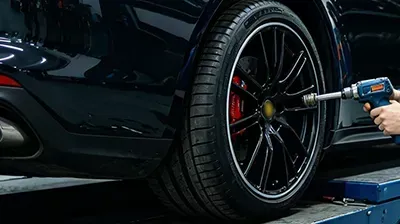
此外,轮胎换位服务成本大幅降低。传统的季节性轮胎换位每年需要两次前往轮胎经销商处,每次费用约为200至300元,全年总计400至600元。使用全季候轮胎后,无需频繁换位,只需定期检查胎压和磨损情况,从而节省了这笔固定的年度开支。
这一优势在劳动力成本较高的地区(如欧洲和北美)更为明显。韩泰轮胎的一项调查显示,选择全季节轮胎的欧洲消费者每年在轮胎上的花费比使用季节性轮胎的消费者少32%。
Furthermore, tire rotation service costs are significantly reduced. Traditional seasonal tire rotations require two visits to a tire dealership, each costing approximately 200-300 yuan, totaling 400-600 yuan annually. With all-season tires, frequent tire rotations are eliminated, requiring only regular checks of tire pressure and wear, saving this fixed annual expense.
This advantage is even more pronounced in regions with higher labor costs, such as Europe and North America. A Hankook Tire survey shows that European consumers who choose all-season tires spend 32% less on tires annually than those who use seasonal tires.

便捷:节省时间和精力,适应快节奏的生活方式
全季节
All-season 轮胎彻底消除与季节性换胎相关的时间和精力消耗。传统上,车主必须密切关注气温变化,并在每年10月、11月以及次年3月、4月安排换胎。
错过最佳时机可能导致在雨雪天气中驾驶存在安全隐患。而全季节轮胎则可全年使用,无需进行季节性更换。它们特别适合时间紧张的城市通勤者和新车车主。
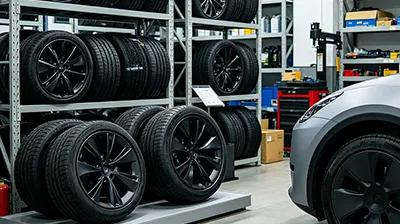
全季候轮胎在存储方面也具有优势。当冬季和夏季轮胎交替使用时,未使用的轮胎需要占用车库和储物间的空间,导致部分消费者不得不支付额外的存储费用。全季候轮胎消除了额外存储的需求,避免了储存期间可能出现的潮湿和老化等问题。
米其林2024年全球车主调查显示,72%的用户选择全季候轮胎的主要原因是“更换轮胎频率降低”,其次是58%的用户认为可以“节省存储空间”。
All-season tires also offer advantages from a storage perspective. When winter and summer tires are used alternately, unused tires require space in garages and storage rooms, forcing some consumers to pay additional storage fees. All-season tires eliminate the need for additional storage, preventing problems such as moisture and aging during storage.
Michelin's 2024 Global Car Owner Survey shows that "less frequent tire changes" is the primary reason for choosing all-season tires for 72% of users, followed by "saving storage space" at 58%.

场景适应性的优势:覆盖多种气候条件,减少使用限制
随着全球变暖导致极端天气事件更加频繁,全季候轮胎的“多场景适应性”正逐渐超越冬季轮胎的单一优势。
一方面,获得三峰雪花认证(标有“3PMSF”标志)的全天候轮胎在0-7°C温度范围内的抓地力和排水性能符合中低降雪量地区的要求,能够应对轻度冬季降雨、降雪和霜冻。全球约60%的冬季车辆使用情况处于这一气候范围内。
另一方面,全季候轮胎在非冬季条件下也表现出色。在夏季高温下,其胎面橡胶配方能保持稳定的耐磨性和抗老化性,避免了冬季轮胎因高温软化而导致抓地力下降的问题。
在春秋季节交替的阴晴多变天气中,全季候轮胎的胎面设计兼顾了排水性与防滑性能,避免了季节性轮胎在换季时出现的性能尴尬问题。例如,在我国北方,11月和3月的“冷暖交替”时期,全季候轮胎的事故发生率比冬季轮胎低18%,比夏季轮胎低12%。
On the other hand, all-season tires also perform well outside of winter. In high summer temperatures, their tread rubber formula maintains stable wear resistance and aging resistance, preventing the loss of grip associated with winter tires due to softening caused by high temperatures.
In the alternating wet and dry weather of spring and autumn, the tread design of all-season tires balances drainage with anti-skid performance, eliminating the awkward performance issues of seasonal tires during transitional periods. For example, in North my country, during the "cold and warm" periods of November and March, the accident rate for all-season tires is 18% lower than that of winter tires and 12% lower than that of summer tires.