中国PCR轮胎:迎战外资品牌的崛起
在中国乘用车轮胎市场,外资品牌曾凭借深厚的历史积淀与技术优势,长期盘踞高端市场。米其林的静音舒适、普利司通的耐磨耐用、大陆(马牌)的操控稳定——这些标签让它们在同等规格下比国产品牌贵出30%-50%,高端系列甚至价格翻倍,而消费者仍愿意为此买单。
近年来,中国乘用车轮胎市场的格局经历了深刻变化。随着道路上行驶的车辆超过3.5亿辆,乘用车轮胎市场已步入存量竞争阶段,内卷化趋势日益加剧。
In recent years, the landscape of China's passenger car tire market has undergone profound changes. With the number of vehicles on the road exceeding 350 million, the passenger car tire market has entered a phase of competition for existing capacity, with involution intensifying.

消费者不再盲目追求品牌和高端产品,而是更加注重轮胎的性能与性价比。物有所值已成为他们购买决策中的关键考量因素。
消费者趋势的这一转变与中国自主汽车品牌的崛起相呼应。近年来,吉利、长城、比亚迪等国内汽车制造商凭借其高配置、高性价比的产品,逐步从合资品牌手中夺取市场份额。
这也逐渐打破了外国品牌更优越的刻板印象。既然10万元级别的国产轿车能提供与20万元合资车相同的配置,轮胎市场上为何不能有相媲美的选择呢?这种日益增长的认识为中国轮胎品牌实现突破创造了历史性的机遇。
This shift in consumer trends has resonated with the rise of China's independent auto brands. In recent years, domestic automakers like Geely, Great Wall, and BYD have been steadily squeezing market share from joint venture brands with their high-spec, cost-effective products.
This has also gradually dispelled the stereotype that foreign brands are superior. Since domestic sedans in the 100,000 yuan price range can offer the same features as joint ventures in the 200,000 yuan price range, why shouldn't there be comparable alternatives in the tire market? This growing understanding has created a historic opportunity for Chinese tire brands to break through.

国内领先
Leading domestic 轮胎企业迅速抓住了这一机遇,采取了“性价比+技术升级”的双重策略。玲珑、赛轮、中策橡胶等领先品牌主要保持了其在价格上的核心优势:在电商平台上,一款195/65R15的国产轮胎通常售价在300-400元之间,而同尺寸的外国品牌轮胎则需要500-700元。
这一价格差异对于务实的家庭车主来说不容忽视。更重要的是,国内品牌避免了陷入“低价低质”的恶性循环,而是将利润重新投入到研发与制造中。
在技术层面,国内企业的投入有目共睹。玲珑轮胎设立了国家级技术中心,年度研发投入占比超过3%,其“绿行Max”系列通过优化胎面花纹设计,使滚动阻力降低15%,达到了国际先进水平。
赛轮集团在液体黄金轮胎技术上取得重大突破,通过新材料应用,实现了轮胎在低滚动阻力、高耐磨性与强抓地力三者之间的完美平衡,打破了传统轮胎“性能此消彼长”的魔咒。
朝阳轮胎,作为中策橡胶的子公司,已研发出一种专为中国复杂路况设计的“缺气保用轮胎+静音棉”复合技术,适用于国内汽车制造商推出的多款高端车型。
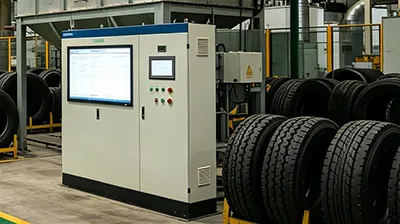
制造工艺的升级确保了产品质量。国内轮胎厂现已广泛采用德国克虏伯的内部混炼机和意大利马波斯检测设备。自动化率超过80%,部分车间甚至实现了“黑灯工厂”运行。
在中国,国产轮胎的生产精度与质量控制已能与外资品牌相媲美。售后服务体系的改善也在弥补短板:玲珑推出了“全国联保,免费补胎”服务,赛轮建立了两小时应急救援机制。这些举措让消费者在购买国产品牌时,不再为“售后无门”而担忧。
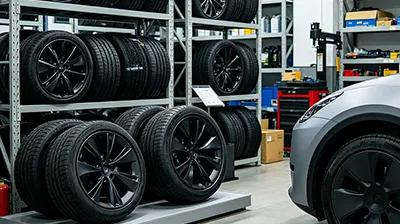
国内轮胎品牌分销渠道的拓展进一步增强了国产品牌的优势。外资品牌的销售网络主要集中在一二线城市的4S店及高端汽修店,而国产品牌则已深入至三四线城市及县域市场。
国内品牌通过“品牌专卖店+汽配专柜+电商旗舰店”这一多元化分销渠道,提供了便捷的购买途径和简易的安装服务。这一渠道的拓展恰逢县域地区汽车保有量的快速增长,已成为推动国内品牌销售增长的关键动力。
市场数据显示,国产轮胎品牌的崛起已成为不争的事实。《2024年中国乘用车轮胎市场报告》显示,国产品牌市场份额从2019年的38%提升至52%,首次超越了外资品牌份额的总和。
Upgrades in manufacturing processes guarantee quality. Domestic tire factories now widely use internal mixers from Krupp in Germany and testing equipment from Marposs in Italy. With an automation rate exceeding 80%, some workshops even operate "dark night" operations.
Production precision and quality control consistency rival those of foreign brands in China. Improvements to after-sales service systems are also addressing shortcomings: Linglong launched a "nationwide warranty, free tire repair" service, and Sailun established a two-hour emergency rescue mechanism. These initiatives have freed consumers from concerns about "lack of after-sales support" when purchasing domestic brands.
The expansion of domestic tire brands' distribution channels further enhances the advantages of domestic brands. While foreign brands' sales networks are primarily concentrated in 4S dealerships and high-end auto repair shops in first- and second-tier cities, domestic brands have penetrated deeper into third- and fourth-tier cities and county markets.
Through a multi-faceted distribution channel consisting of "branded stores + auto parts counters + e-commerce flagship stores," domestic brands offer easy access to purchase and convenient installation. This expansion of distribution channels coincides with the rapid growth of vehicle ownership in county areas and has become a key driver of sales growth for domestic brands.
Market data indicates that the rise of domestic tire brands is an established fact. The 2024 China PCR Market Report shows that the market share of domestic brands has increased from 38% in 2019 to 52%, surpassing the combined share of foreign brands for the first time.

在10万至15万元人民币价位家庭轿车的原配轮胎市场中,国产品牌占据了65%的供应份额。比亚迪与吉利等汽车制造商已将玲珑和赛轮列为旗下主力车型的核心供应商。
然而,国内品牌在突破两大瓶颈上仍面临挑战:对低价的依赖及对高端产品的信任度。部分企业仍主要依赖价格战,这不仅压缩了利润空间,也使长期研发难以持续。在20万元以上的高端市场,外资品牌仍占据超过90%的供应份额,这意味着国产品牌迈向高端化的道路尚需时日。
However, domestic brands still face challenges in overcoming two major bottlenecks: reliance on low prices and trust in high-end products. Some companies still rely primarily on price wars, which squeezes profit margins and makes it difficult to sustain long-term R&D. In the high-end market over 200,000 RMB, foreign brands still hold over 90% of the supply share, meaning that domestic brands' path to high-end status will take time.